Seasonal Loft Conversion Guide: Best Time of Year to Build and Why
Ask five loft conversion firms when to start and you'll get five answers, usually the ones that suit their diary. The reality is more practical than mysterious. The British weather decides how quickly a roof can be opened and closed, whether mortar and render behave, and how long a scaffold stands outside your house clocking up hire charges. Get the timing right and the job runs more smoothly, costs less to manage, and involves fewer mornings spent watching tarpaulins flap.
What the weather actually decides
Three parts of a loft conversion are genuinely weather-sensitive. The first is the structure. The moment tiles come off for a dormer or a new ridge, your house is open to the sky. Temporary sheeting works, but every wet day costs labour and slows the programme.
The second is the scaffold. It needs ground that isn't frozen or waterlogged, and nobody should be working at height in strong winds.
The third is anything that cures or dries: mortar, render, sealants, plaster and screed. Frost and driving rain spoil the finish of the first group. Cold, still air stretches out the second, which is why a job can look finished in February and still not be ready to decorate in March.
How each season performs
Spring (March to May)
The most popular window, and deservedly so. Days lengthen, temperatures are mild enough for mortar and render, and there's a reasonable chance of getting the building weathertight before summer. The catch is demand. Scaffolders, roofers and loft specialists fill spring diaries early, so start asking in January. Spring showers can also stall a roof opening for days at a time.
Summer (June to August)
Best conditions for structural work and the fastest drying for plaster and screed. There are annoyances. A loft under a tiled roof in July is punishing, so crews often start early and finish by mid-afternoon. Trades take holidays, which can leave a fortnight where very little happens. If your conversion is heavy on external work — dormers, roof windows, rendering — summer is the safest bet.
Autumn (September to November)
Often overlooked, and frequently the best compromise. September and early October are usually mild and settled, builders are less stretched than in spring, and internal work carries on comfortably as the weather turns. The goal is to be weathertight before the worst of the rain. Starting a roof-heavy conversion in late November is a gamble.
Winter (December to February)
The hardest season for anything that opens the roof. Short daylight hours, frost and wind mean slower progress and more protection. Mortar and render shouldn't be laid in freezing conditions without proper shelter, and scaffold on frozen ground is a problem waiting to happen. Winter is, however, excellent for internal work where the roof is already sound: insulation, boarding, first-fix electrics and plumbing, and plastering, provided the space is kept warm and ventilated. It's also the quietest time for builder availability.
Scaffolding: the cost that catches people out
Scaffold is usually hired by the week, so delays cost money directly. If it stands on a public highway you'll normally need a licence from the council, and neighbours may need notice. Ground conditions matter too — a soggy lawn or a frozen drive can delay erection on the morning it was booked.
Before you sign, check:
- Whether the hire period is included in the quote or charged separately
- How long the scaffold is expected to stay up, and who pays if the job overruns
- Who arranges the council licence and any neighbour notifications
- What protection is in place if the roof is open overnight
Builder availability and the booking calendar
Good builders are typically booked several weeks ahead, sometimes considerably more. Enquiry patterns are predictable: January brings a rush of new-year resolutions, and spring into early summer is the peak. Late summer through to early winter usually gives you more room to negotiate a start date that suits you both.
Ask two direct questions before you commit. What's your realistic start date if the weather turns? And how many jobs will you be running at once? A firm that can start next week in June may simply be between jobs, which you'd rather know about now than discover in August.
Drying times and your move-in date
The structural stage often feels impressively quick. The finishing is where schedules slip. Plaster needs to dry before it's painted, and painting damp plaster causes problems that show up months later. Wet underfloor heating screeds need careful drying before the heating is run up, and that takes longer in a cold, sealed house than in a warm, ventilated one.
Open windows whenever the weather allows, use gentle background heat rather than blasting it, and consider a dehumidifier in winter. Don't let a decorator loose on fresh plaster, and don't book a moving date the day after the final coat goes on.
Choosing your start date: a practical sequence
- Establish what the job involves. An internal-only conversion with no roof alterations is far less weather-dependent than one that opens the roof for a dormer.
- Sort permissions first. Planning permission, building regulations approval and party wall notices can all take weeks. Line them up before you fix a date.
- Target a weathertight finish before the wet season. Spring starts and early autumn starts give you the best odds.
- Confirm builder and scaffolder lead times before booking anything else.
- Agree a written programme that includes drying gaps rather than assuming plaster, screed and paint will all happen in the same week.
- If you're only working inside, winter is workable, quieter and often cheaper to book.
The short version
If your conversion changes the roof, aim for spring or early autumn. If it's internal only, winter is a sensible, underrated option. Do the paperwork in the quiet months, get the scaffold terms in writing, and give plaster and screed the time they need rather than the time you'd like them to take.
Every property is different, so treat this as a planning framework rather than a rulebook. For structural changes, party walls, shared roofs or anything affecting neighbouring properties, take advice from a structural engineer, your local authority building control team and, where relevant, a party wall surveyor before you commit to a date.
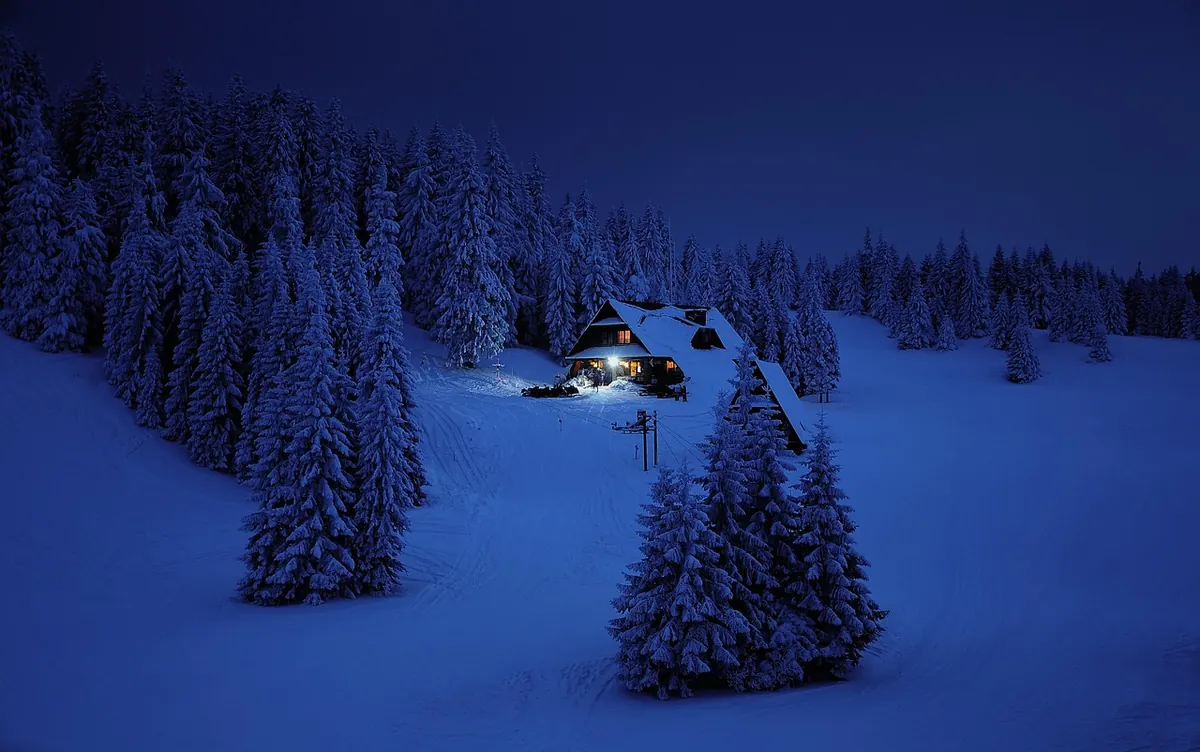
Photo: JerzyGórecki / Pixabay